
The Leaky Bucket Problem:
Why More Leads Won't Save Your Business (And What Will)
Youtube Video
Youtube Thumbnails
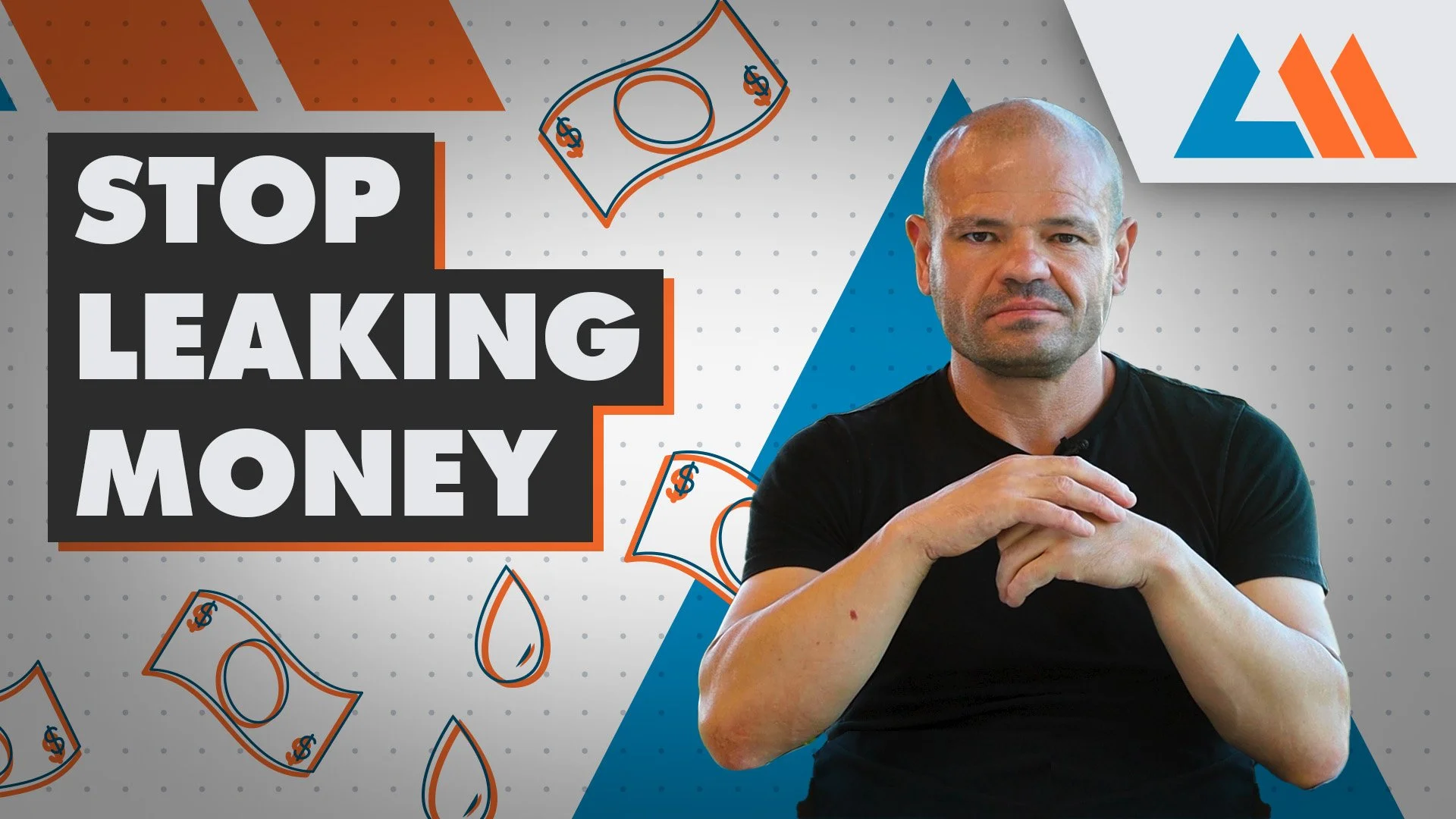
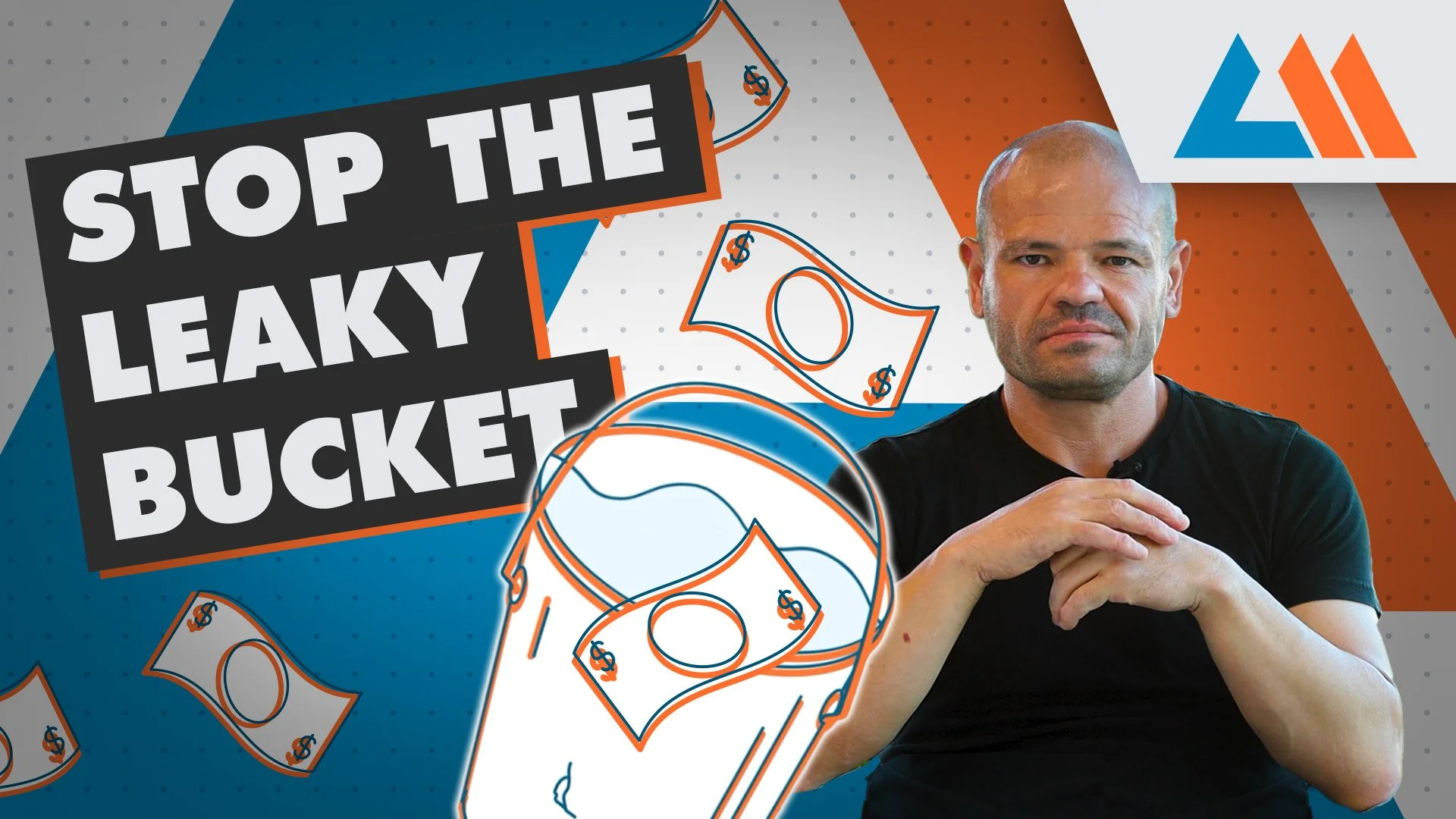
Here are 3 thumbnails for A-B-C testing.

Youtube Description
In this video, Allan Dib, author of The 1-Page Marketing Plan and creator of the Lean Marketing Accelerator, reveals the 2-minute calculation that exposes your real marketing problem.
Most business owners think they have a traffic problem. But when we run them through our Revenue Reality Check, 9 out of 10 discover something shocking:
- They don’t have a traffic problem.
- They have a conversion problem.
Fixing that conversion problem is 10x cheaper and 10x faster than chasing more leads.
DOWNLOAD THE HEALTH METRICS DASHBOARD (FREE)
Track your key numbers, identify leaks, and run your own Revenue Reality Check.
**LINK**
GET YOUR COPY OF MY BEST SELLING BOOKS TODAY!
1-Page Marketing Plan - https://leanmarketing.com/books/1pmp
Lean Marketing - https://leanmarketing.com/books/leanmarketing
GET YOUR FREE LEAN MARKETING RESOURCES NOW! JOIN THE HUB! (FREE)
GET YOUR PERSONALIZED ROADMAP TO BUILD YOUR ONE PAGE MARKETING PLAN (FREE)
https://quiz.leanmarketing.com/
What You’ll Learn
- Why “random acts of marketing” are killing your growth
- The simple math behind doubling revenue without spending a dollar more on ads
- How to calculate your Revenue Reality Check (step-by-step)
- The 5 Pillars of the Minimum Viable Marketing System (MVMS)
- Real-world case study: How Stadium Fast Foods grew revenue 12% during an economic downturn
- The 3 metrics that actually matter: Conversion Rate, CAC, and LTV
About the MVMS Framework
The Minimum Viable Marketing System turns “random acts of marketing” into a predictable, repeatable engine for growth.
It’s built on 5 pillars:
1. Revenue & Profit Planning
2. Target Market & Messaging
3. Lead Capture & Nurture
4. Lead Generation
5. Measurement & Optimization
Once these are in place, every ad, post, and campaign becomes a force multiplier.
Join the Conversation
What did you learn or love about this video? Drop your biggest takeaway in the comments — Allan reads and replies to every one.
Build a lean, profitable marketing engine.
Subscribe for videos on how to simplify marketing, increase profits, and finally stop leaking money.
https://www.youtube.com/channel/UC-OsQTDRyPSgmCnbUQlshxQ
Verticle Shortform
The Design Motif
-
Blueprint Motion Design
I wanted to create a design language that was lean and flexible. That used all the elements from the brand guide. Something that could easily evolve over time while still maintaining a modern, professional aesthetic that sits comfortably alongside other high-quality content on YouTube.
To achieve this, I developed a unique motion system I have calle ‘Blueprint’ Motion Design. A clean, modular approach that blends structure with creativity, allowing for consistency, adaptability, and long-term scalability across all future videos.
The blueprint motif became a key creative concept, symbolizing the strategic framework for both the audience’s future success and the company’s direction. It’s also a practical visual device for breaking down complex ideas in an accessible way. This graphical treatment has strong potential for continued use across future campaigns, helping to build brand consistency and recognizability over time.
-
Isometric Sims
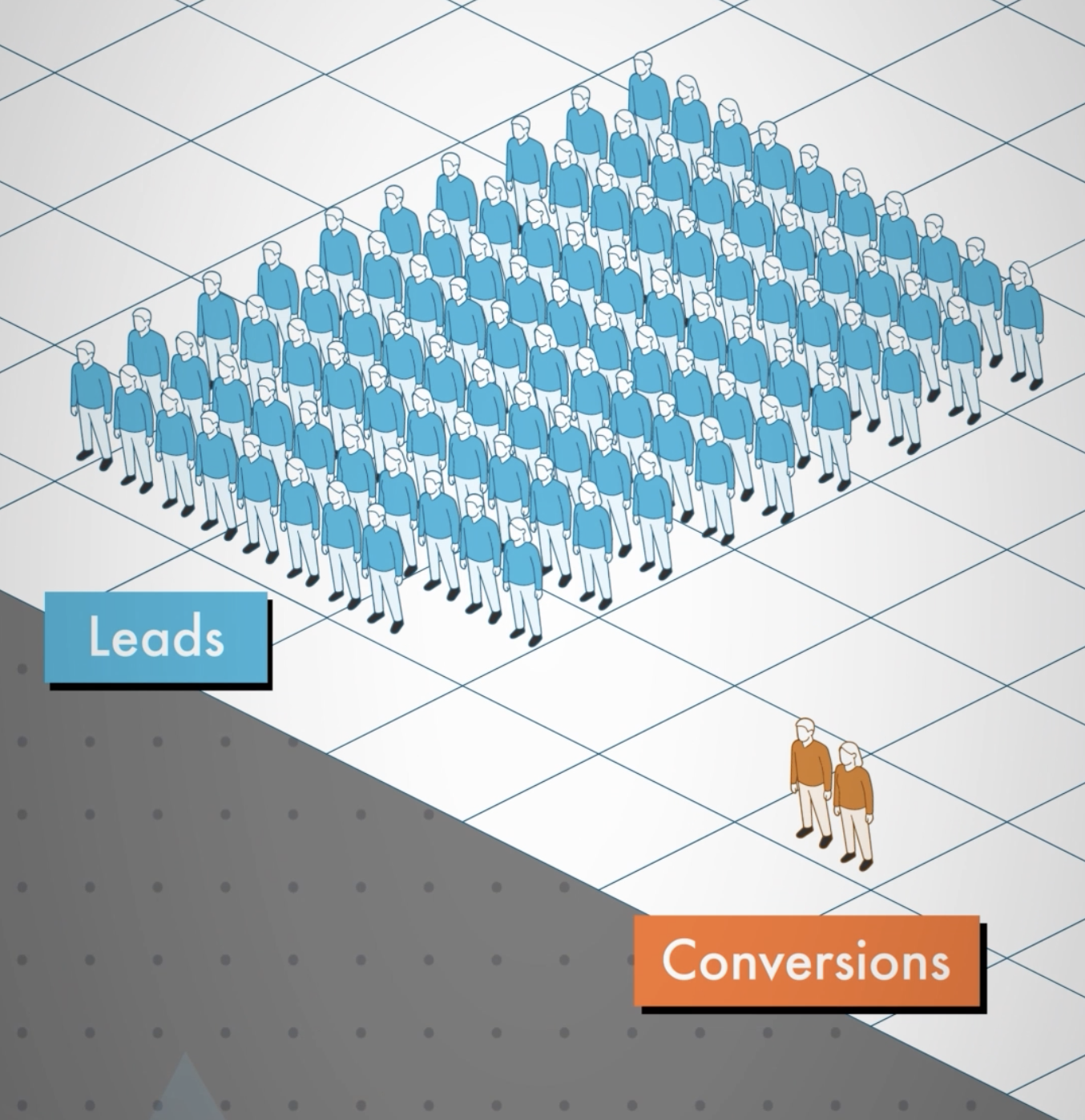
Marketing can be confusing. There are so many moving parts, strategies, and metrics that it’s easy to get lost in the theory. So, I’ve created an isometric world, a visual space where we can play out real-world marketing scenarios in a clear, engaging way.
I took the isometric design from the brand guide and built on the concept to be used for our motion design. In this space, complex ideas become tangible. We can see how small changes like improving conversions, adjusting pricing, or refining messaging, affect the bigger picture. It’s a way to turn abstract marketing principles into something visual, interactive, and easy to understand.
Each video will use this isometric environment to demonstrate the concepts we’re discussing (almost like a miniature simulation) helping viewers grasp not just what to do, but how it works.
-
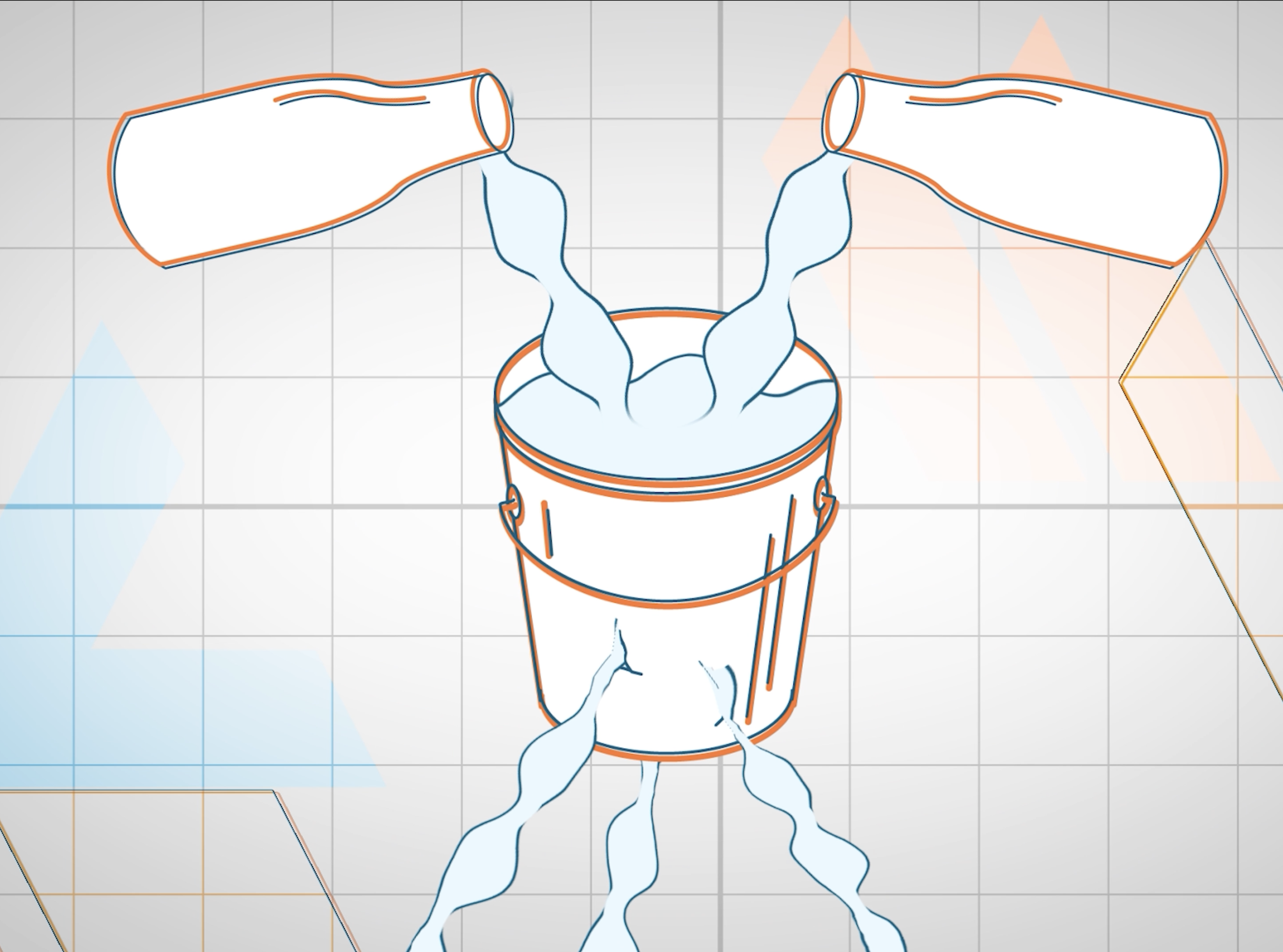
Consistant Design Language
I’ve also put a great deal of care and attention into maintaining visual and structural consistency throughout the video. Consistency is one of the most powerful tools in building trust with the viewer it creates a sense of rhythm, familiarity, and professionalism that allows the message to stand out without distraction.
Each recurring visual element has been intentionally designed and applied with purpose. For example, quotes, key takeaways, and title graphics all appear in the same format every time they’re shown. This repetition establishes a visual language that the audience subconsciously learns as they watch they begin to recognize the patterns, anticipate what’s coming next, and engage more deeply with the content itself rather than the presentation.
an Unused video
Here is a different simulation that I was hoping to use within the video. However, I couldn’t find a perfect spot to use it. So I thought I would show you the content anyway, so you can see other potential options for this motion design concept. This video can be potentially used in future videos.